Sports Injury Rehab: Essential Insights for Athletes
DS
Understanding Sports Injuries
Sports injuries are a common occurrence among athletes, whether you're a professional or a weekend warrior. From sprains and strains to more severe injuries like fractures, understanding the nature of these injuries is the first step towards effective rehabilitation. Athletes have access to specialized care that focuses on their unique needs.
Rehabilitation is crucial for recovery, allowing athletes to return to their sport safely and efficiently. It involves a combination of therapies and exercises designed to restore strength, flexibility, and function.
The Role of Professional Rehabilitation
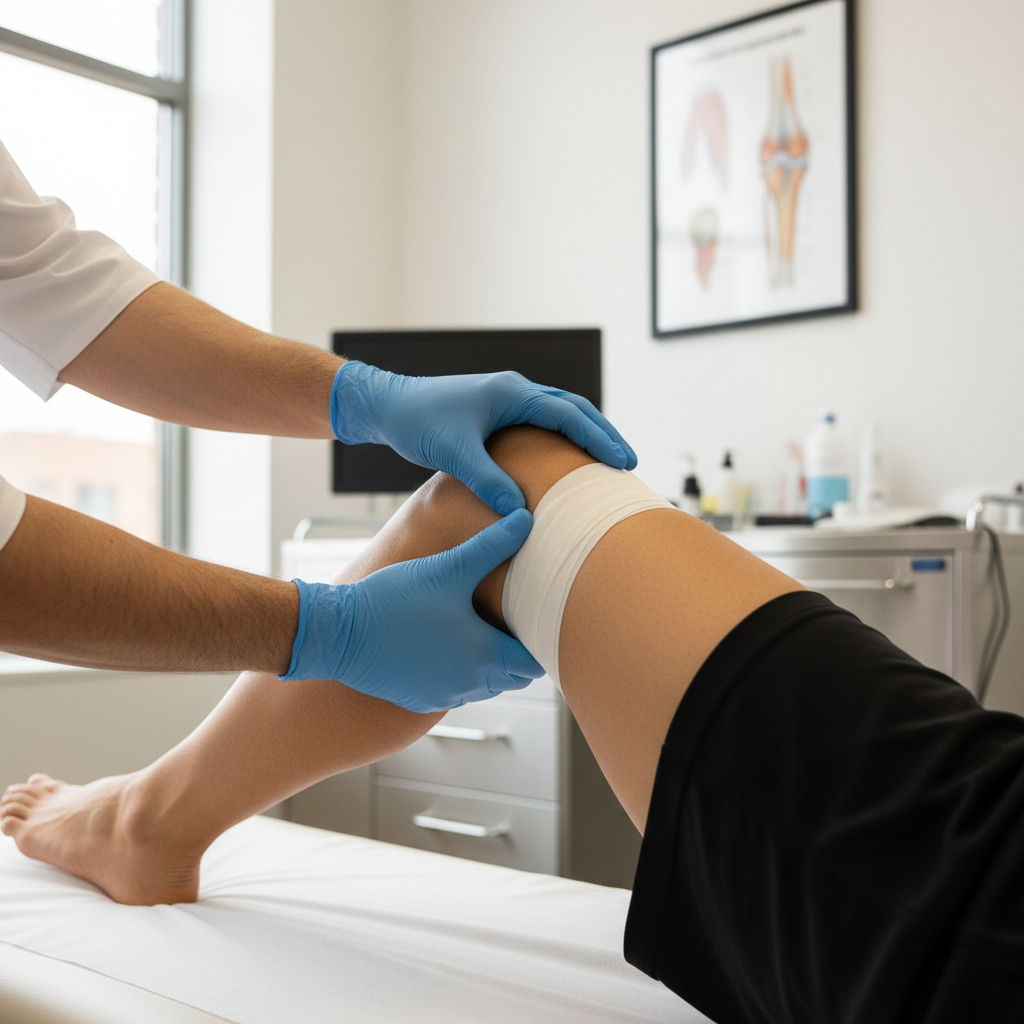
Professional rehabilitation services provide tailored treatment plans that address the specific requirements of each athlete. These plans often include physical therapy, massage therapy, and other modalities that help reduce pain and promote healing.
One of the key benefits of working with a professional is the personalized approach. Therapists assess the injury, monitor progress, and adjust treatments as needed, ensuring optimal recovery.
Key Rehabilitation Techniques
Several techniques are commonly used in sports injury rehab, including:
- Physical Therapy: Focuses on improving mobility and strength.
- Massage Therapy: Aids in reducing muscle tension and improving circulation.
- Chiropractic Care: Helps in aligning the body to promote natural healing.
The Importance of a Holistic Approach
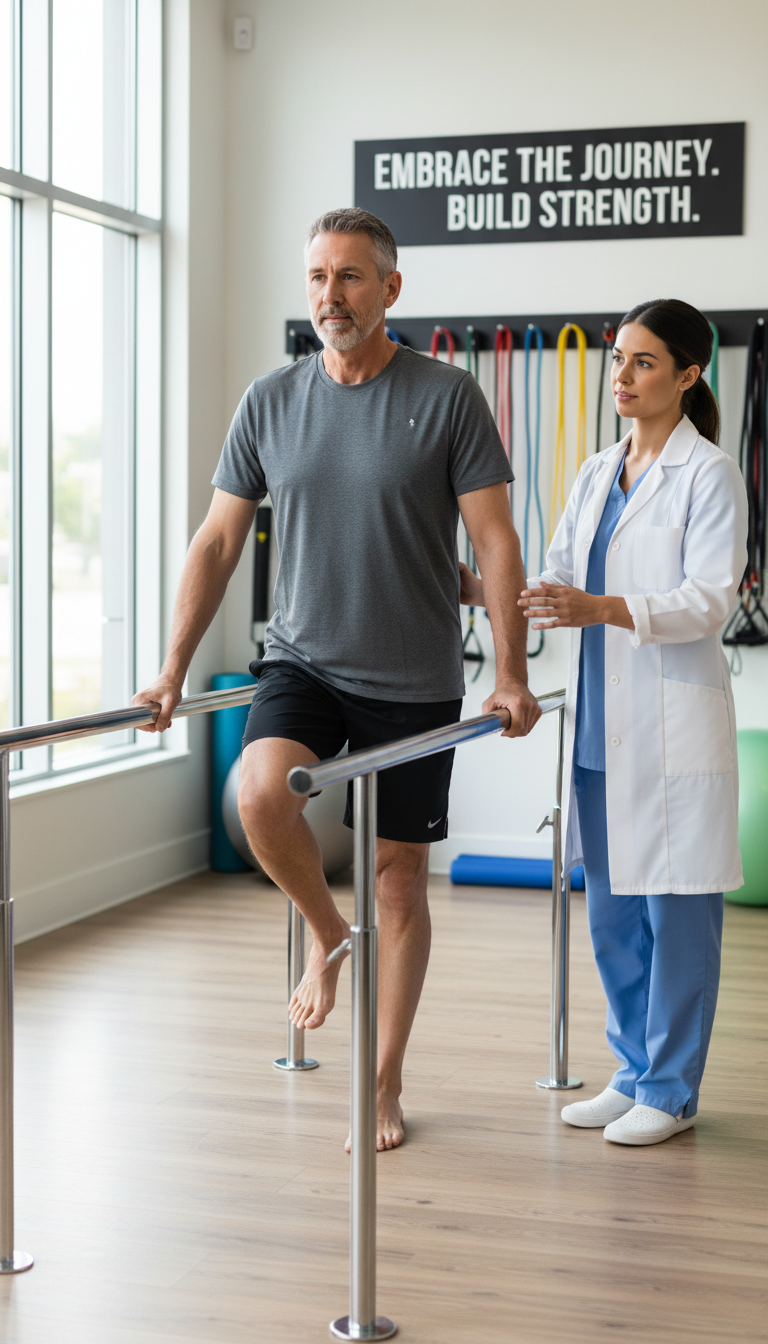
A holistic approach to sports injury rehab considers not just the physical aspects of recovery but also the mental and emotional well-being of the athlete. Stress management and mental resilience are integral to a successful rehabilitation process.
Many rehab centers offer programs that incorporate nutritional guidance and mental health support, recognizing the importance of a comprehensive recovery plan.
Preventing Future Injuries
Prevention is a vital component of sports injury rehab. Athletes are educated on proper techniques and exercises to minimize the risk of future injuries. This includes warm-up routines, strength training, and flexibility exercises tailored to the specific demands of their sport.
Choosing the Right Rehab Facility
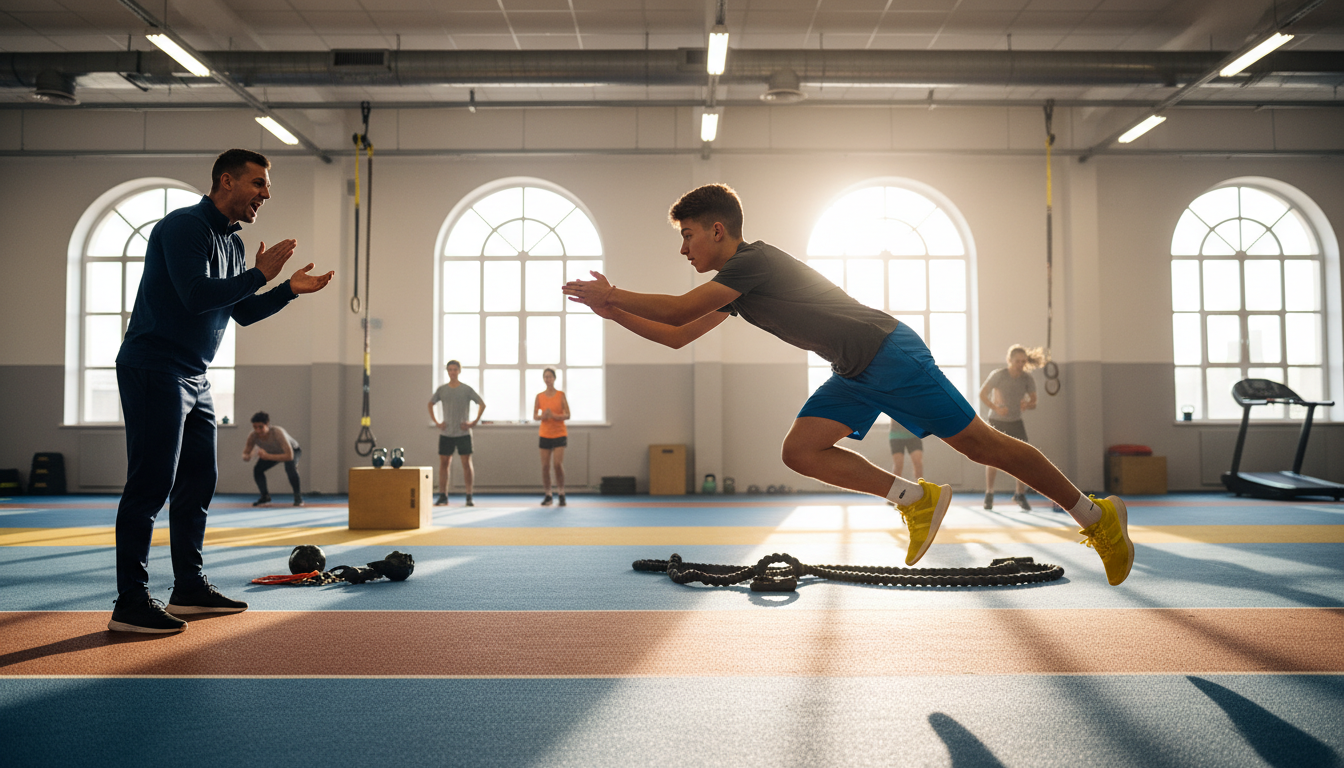
When selecting a rehab facility, consider factors such as the expertise of the staff, the range of services offered, and the facility's reputation. Seeking recommendations from fellow athletes or healthcare professionals can also be beneficial.
A good rehab center will not only focus on immediate recovery but also equip athletes with the tools and knowledge to maintain their health and performance long-term.